

Relax and Unwind on the Scenic Avon River
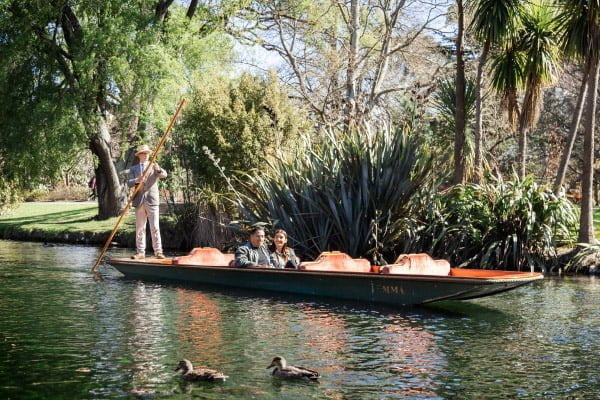
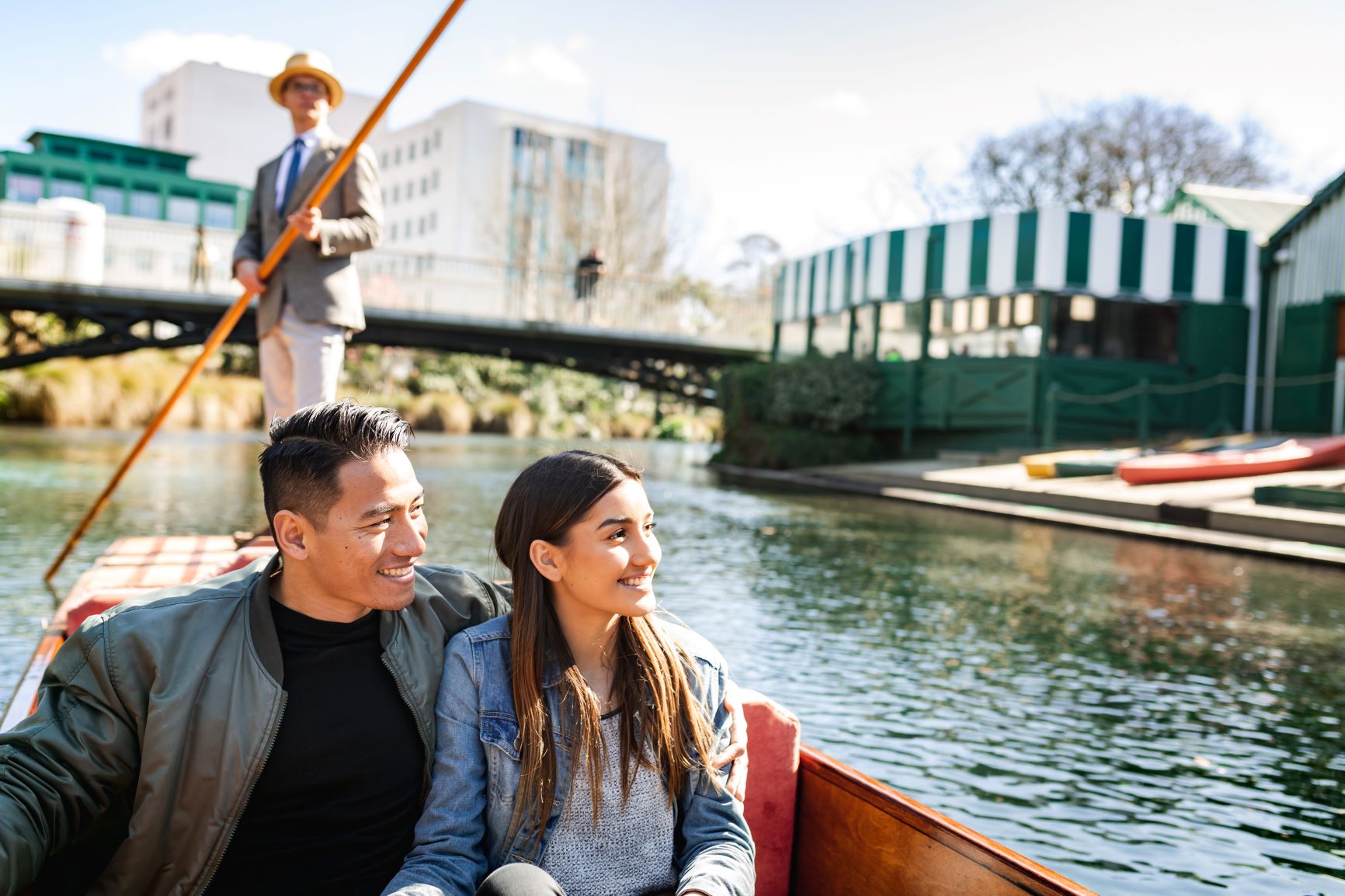
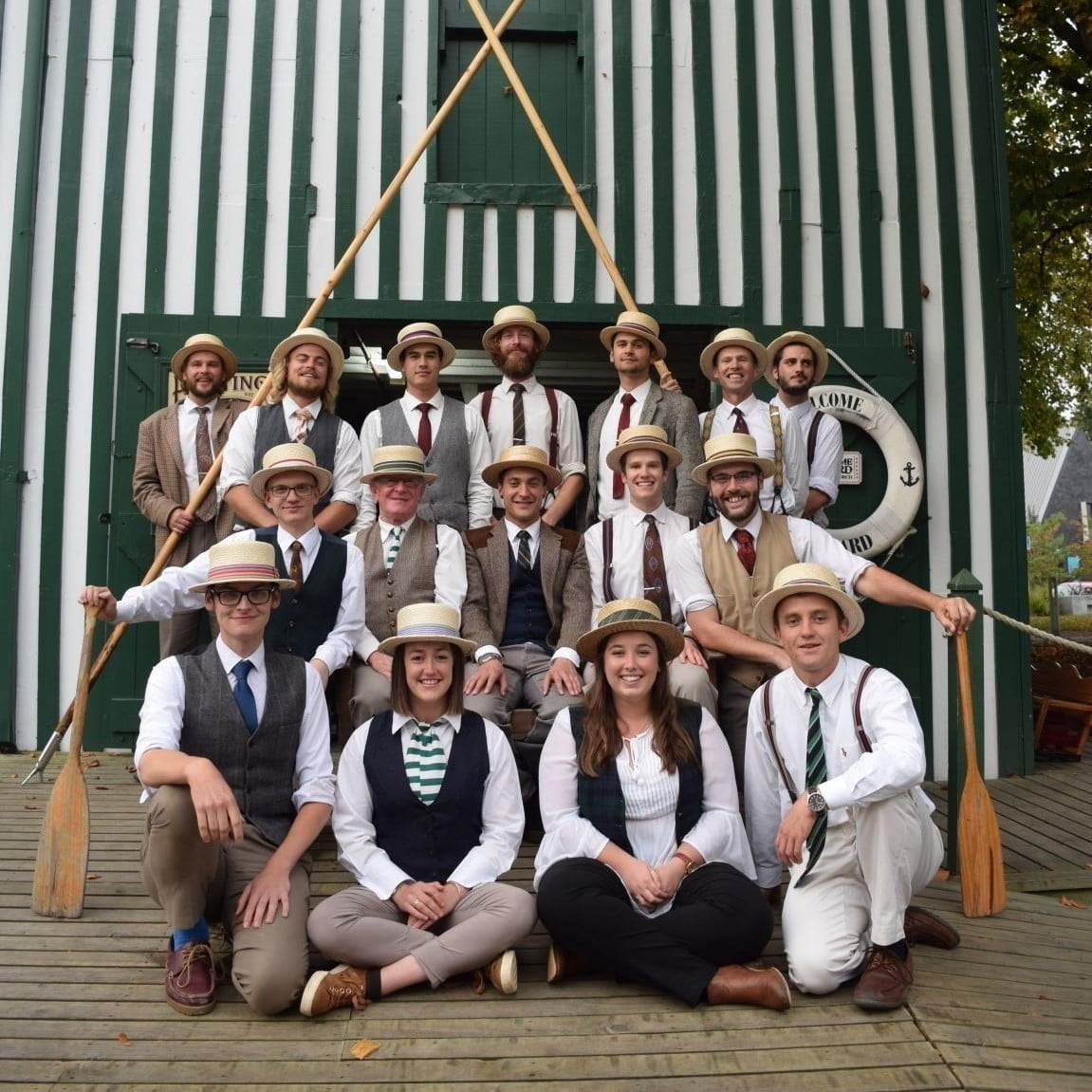
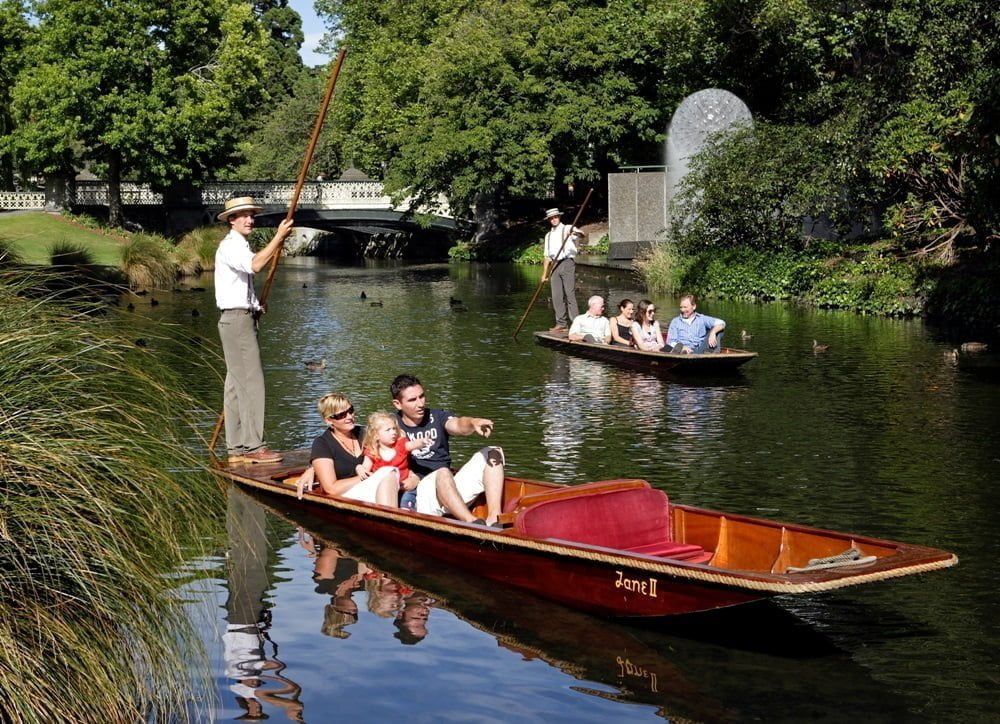
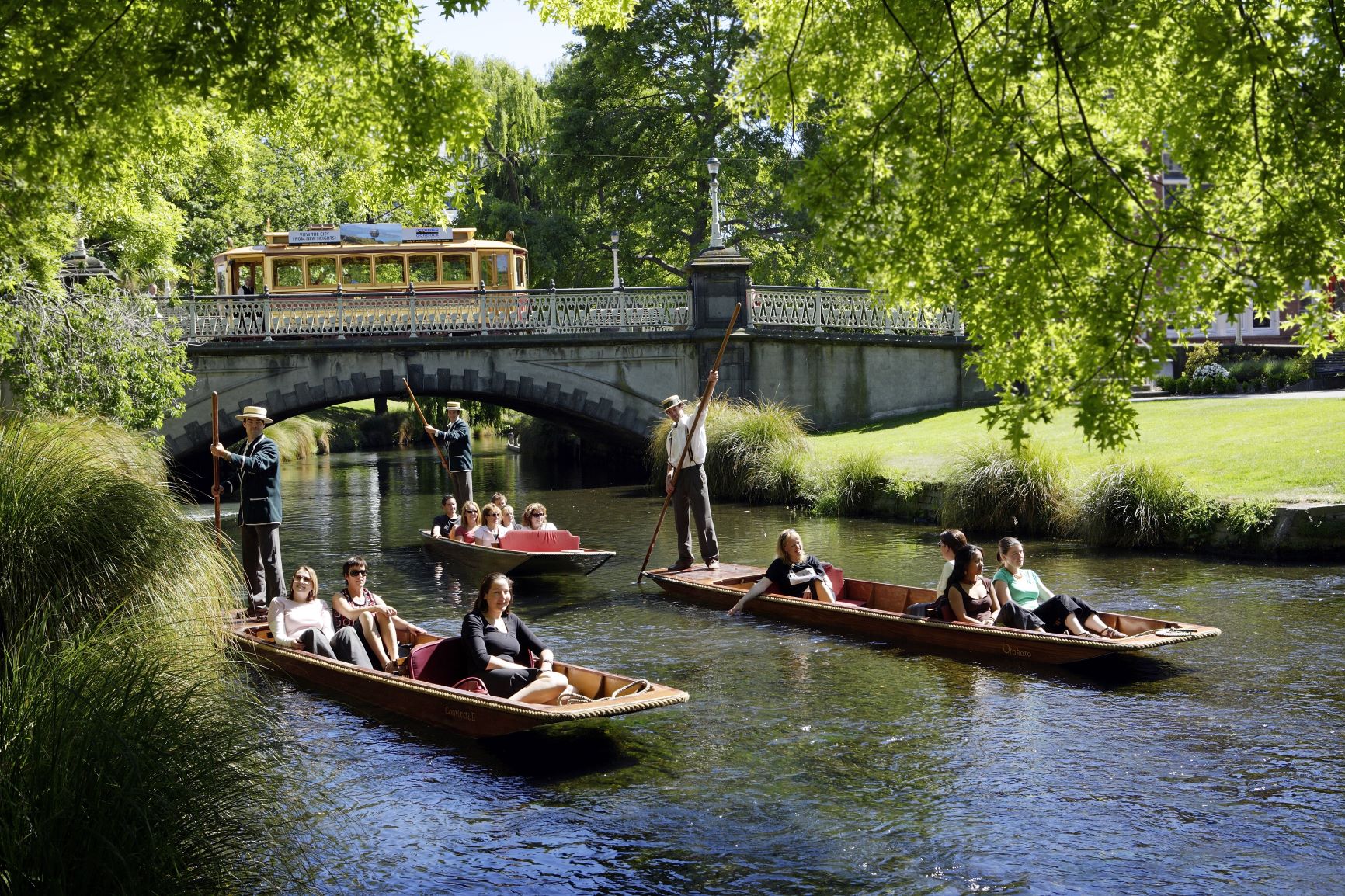
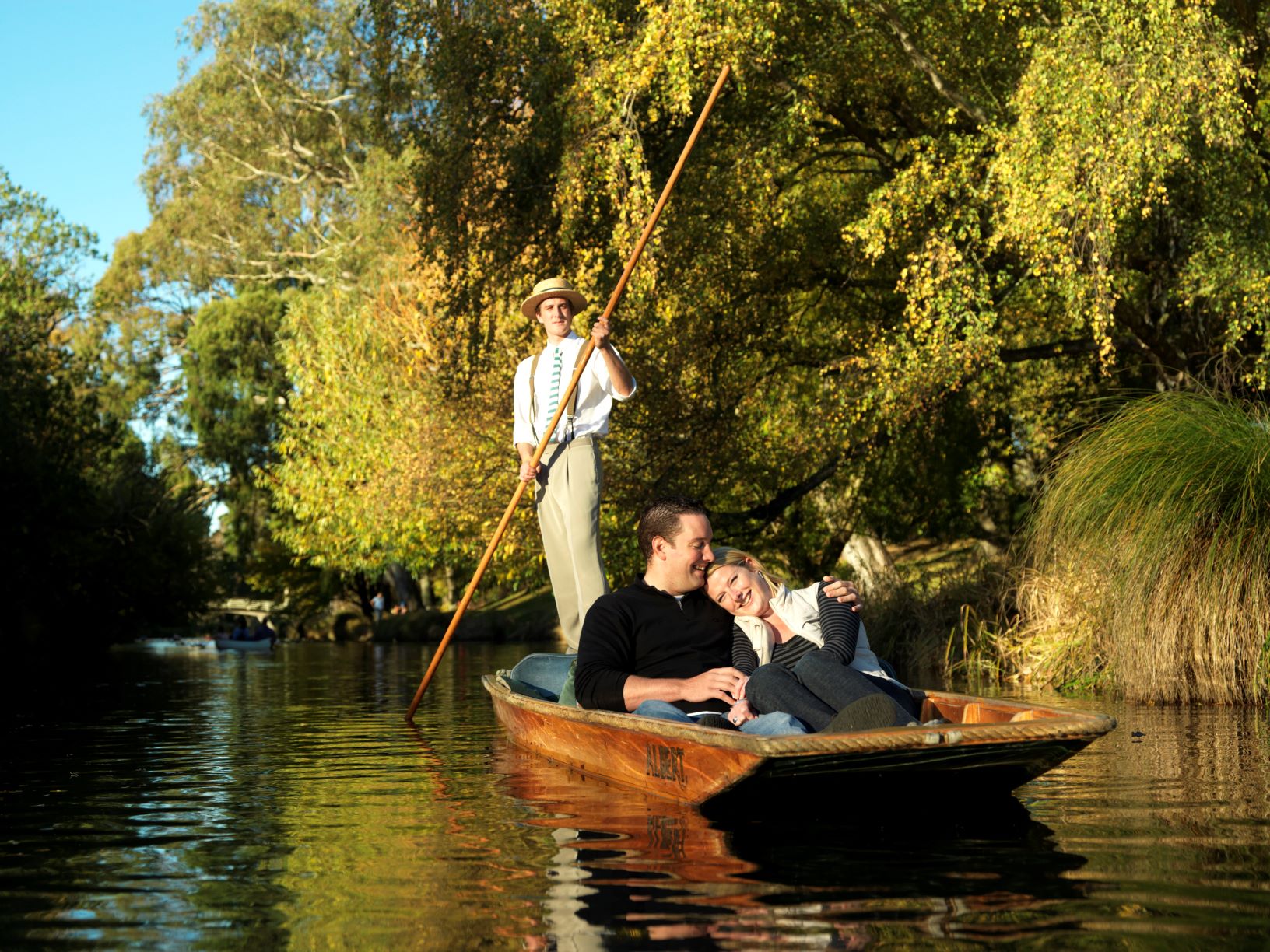
An iconic Christchurch attraction not to be missed. One of the best things to do in Christchurch is to relax on board an informative punt ride and see the city from a different perspective. Sink back and admire the picturesque Botanic Gardens or glide through the evolving central city as your classically attired punter poles you quietly along the river on this eco-friendly activity perfect for all ages.
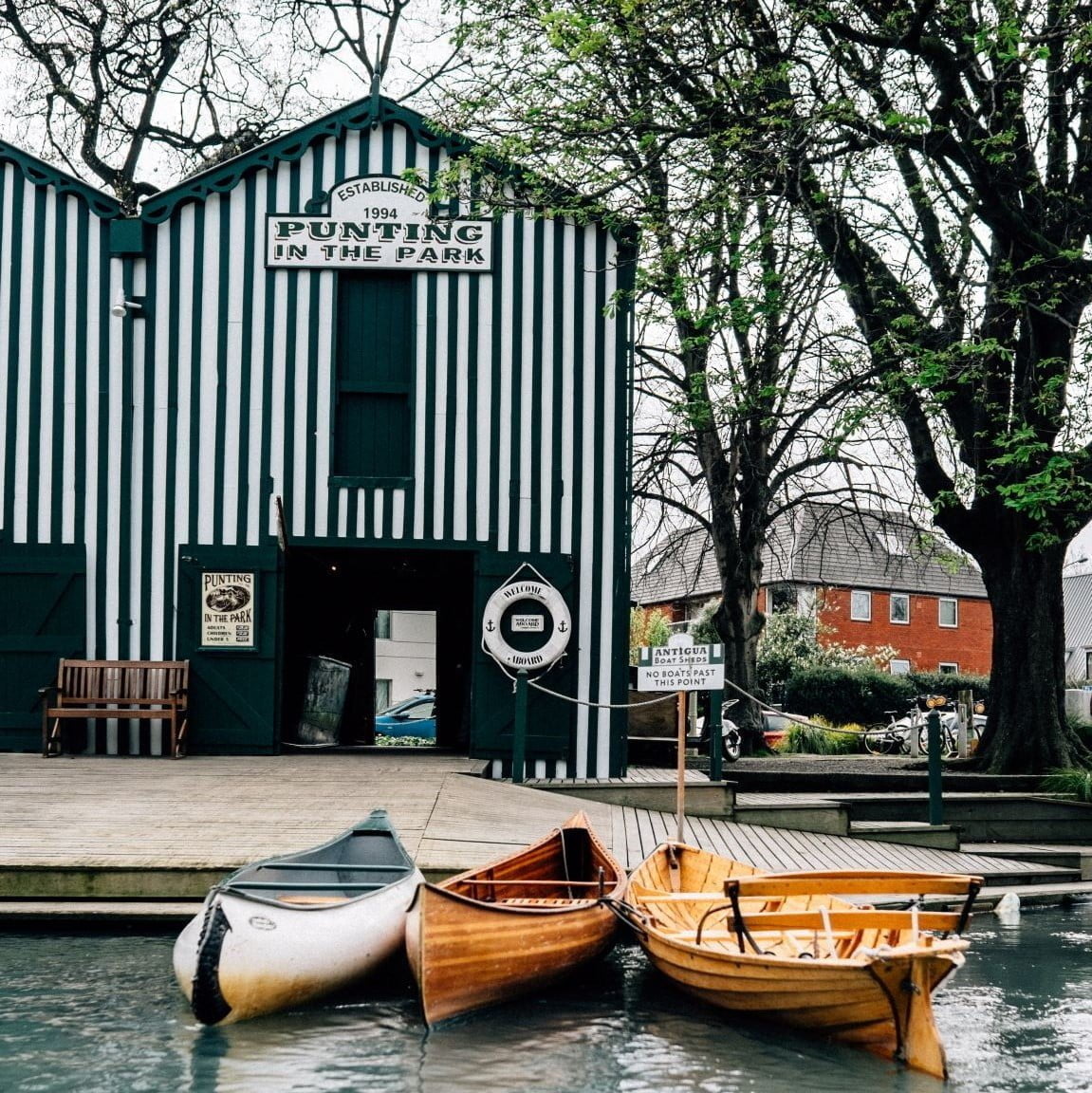
Choose between our two fantastic sites: float through the Botanic Gardens from our Antigua Boat Sheds landing or see the central city’s Avon River Precinct from our Worcester Bridge landing.
Please ensure you arrive at the correct location for your punting experience, and please arrive at least 15 minutes before your booking time to check in and undergo a safety briefing. Punts depart promptly at the scheduled time, and guests who do not arrive in time for their booked departure will not receive a refund.
Punting is an all-weather activity: our team supply blankets, umbrellas, and even heat packs in winter at our Antigua Boat Sheds site. You enter and leave the punt by stepping onto a secure platform. Please note that the punt seats are very low to the ground (much like sitting on the floor).
Please note that all standard punt rides are shared 30-minute rides. For customers wishing to take a private punt ride, our 30-minute private charters are available to book subject to availability from the Antigua Boat Sheds departure point (price on application – please contact our team for details).
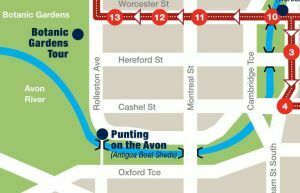
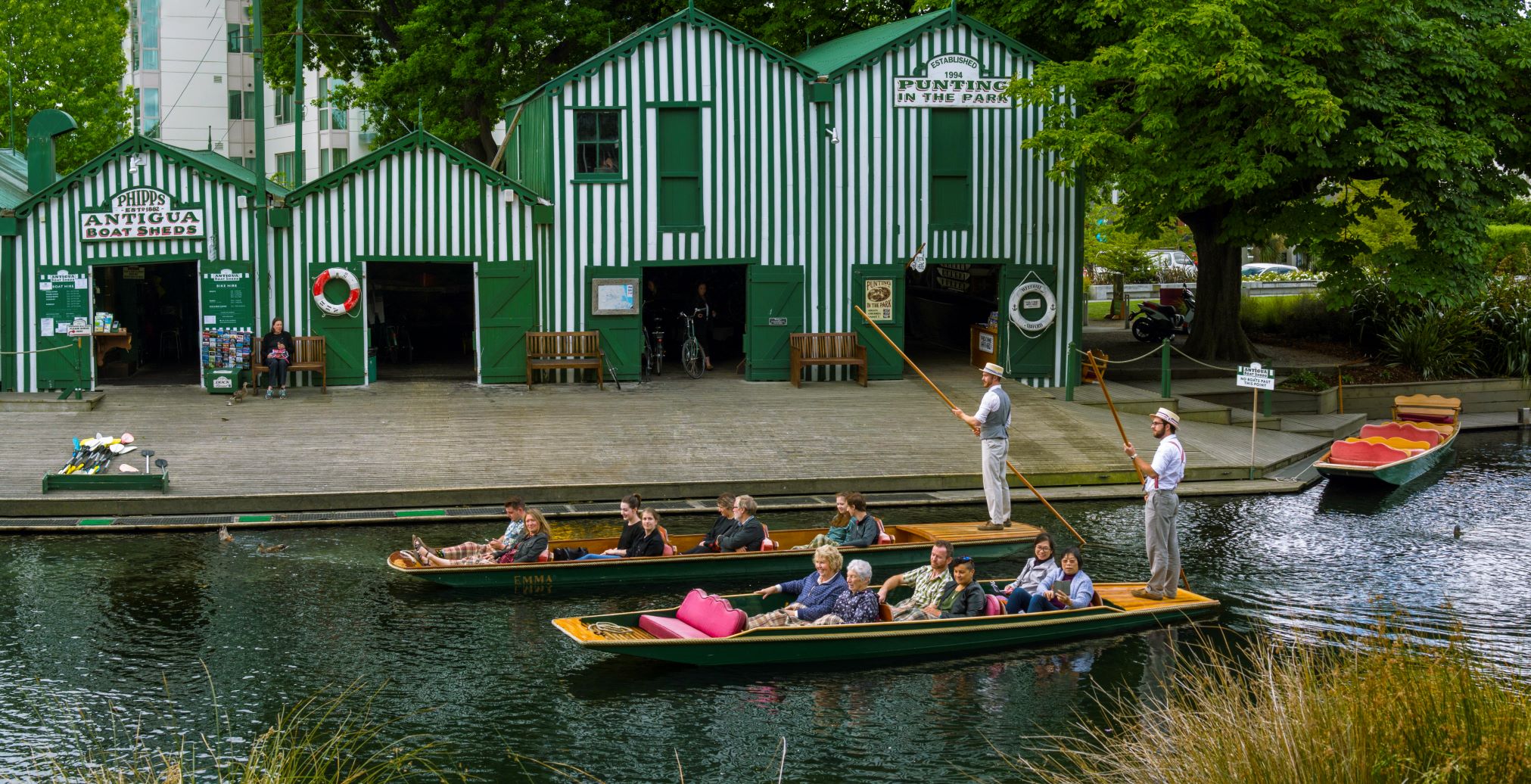
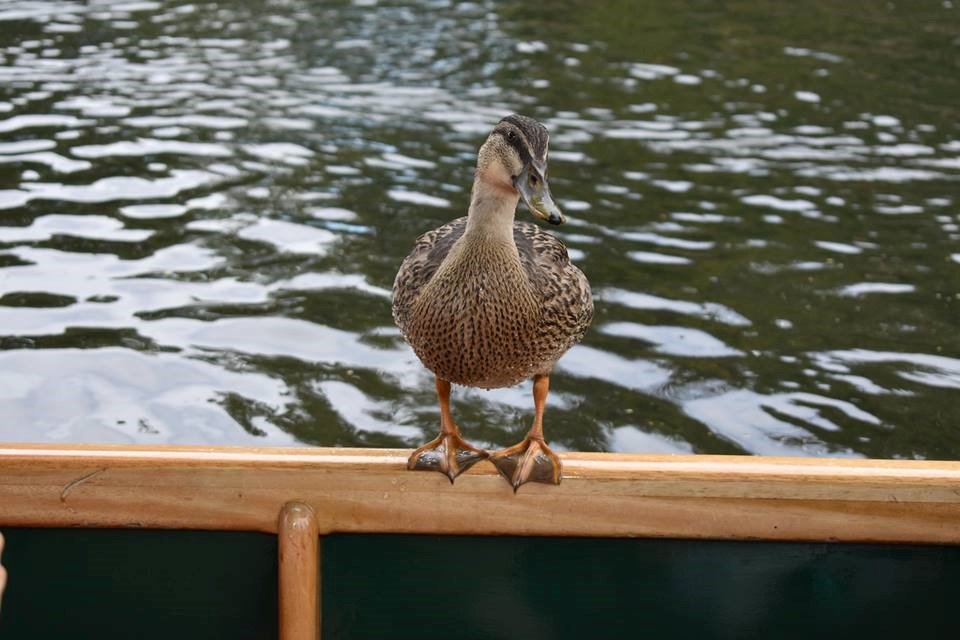
Our Antigua Boat Sheds site is located at 2 Cambridge Terrace. Punt rides from this location travel through the tranquil Botanic Gardens, taking you up close to the flora and wildlife on a relaxing ride.
Each punt at this site can accommodate up to 8 people at one time, and bookings are essential: we highly recommended you schedule a booking time in advance.
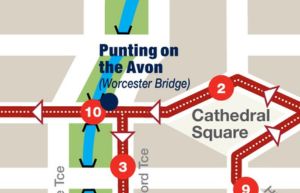
Our Worcester Bridge site is located next to the Worcester Bridge near the corner of Worcester Boulevard and Oxford Terrace. Punt rides from this location travel past Te Pae Christchurch, the Christchurch Town Hall, Victoria Square and Margaret Mahy Playground, showcasing the evolving central city.
Please note that rides end at the Town Hall landing in Victoria Square.
Punts at this site can accommodate up to 6 people at one time, and bookings are accepted on a walk-up basis only with no advance bookings taken – simply turn up and the team will accommodate you on the next available ride. Due to fluctuating water levels this site is not open everyday, so please call us on 03 366 0337 from 9am to check whether we are operating.




What people say "One of the Best Things to do in Christchurch"

Looking for more?
CHRISTCHURCH
PASS
Perfect way to see Christchurch. Includes: Tram 1 day pass, Gondola entry and Punting on the Avon ride.
NZ$114
TRAM & PUNTING
COMBO
Experience central Christchurch by river and rail!
Includes: Tram 1 day pass and Punting on the Avon ride.
NZ$77
PUNT & GONDOLA
COMBO
See Christchurch from two different perspectives! Includes: Gondola entry and Punting on Avon ride.
NZ$79
LOCAL ANNUAL
PASS
Unlimited rides on the iconic Christchurch Gondola and Christchurch Tram for 12 months!
NZ$99


